
Trying to build a Freelance Writing Portfolio With No Experience is the biggest hurdle for new writers. You want to apply for jobs, but every post asks for a link to samples you don’t have yet.
The truth is simple but you do not need a paying client to have a portfolio. Instead, you just need to show you can write.This guide covers everything you need to build a professional portfolio today and land your first gig.
Your Roadmap to a Freelance Writing Portfolio With No Experience
Your portfolio is your proof. It shows clients that you have the skills they need. Whether the work was paid or unpaid does not matter. It only matters that the writing is good.
In this guide, we will move from “zero ideas” to a fully published portfolio. We will cover what to write, where to post it, and how to pitch it to real editors.
Choosing Topics: What to Write When You Have No Clients
If you have no clients, you have total freedom. Write about what you know.
- Your Hobbies: Do you love gaming? Write a review of the latest console.
- Your Expertise: Did you work in retail? Write about “5 Tips for Customer Service.”
- Local Businesses: Write a mock profile for your favorite coffee shop.
Therefore, pick a specific industry (Niche). After all, clients hire specialists, not generalists. So, if you want to write about tech, create three tech-related samples.
Step 1: Self-Publish Articles for Your Freelance Writing Portfolio With No Experience
You do not need permission to publish. Platforms like Medium, LinkedIn, and HubPages allow you to post articles for free.
- Medium: Great for opinion pieces and personal stories.
- LinkedIn Articles: Perfect for B2B (Business to Business) writing.
- Google Docs: If you want to keep it simple, just write in a Doc. Make sure the share settings allow “Anyone with the link to view.”
In short, publishing these samples makes you a “real” writer instantly.
Step 2: Source Professional Images for Free
Because a wall of text is boring, you need visuals to make your samples look professional. However, never steal images from Google. Instead, use these free, legal sources:
- Unsplash: High-quality, artistic photos.
- Pexels: Great for business and tech stock photos.
- Pixabay: Good for vectors and illustrations.
- Canva: Create your own custom graphics and charts easily.
Step 3: Launch Your Freelance Writing Portfolio With No Experience Website
You do not need a complicated website. You just need a place to house your links.
- Carrd.co: Use a free template. Add your photo, a short bio, and links to your 3 best samples.
- WordPress.com: Create a free blog. Post your articles as blog posts. Use the “Portfolio” theme.
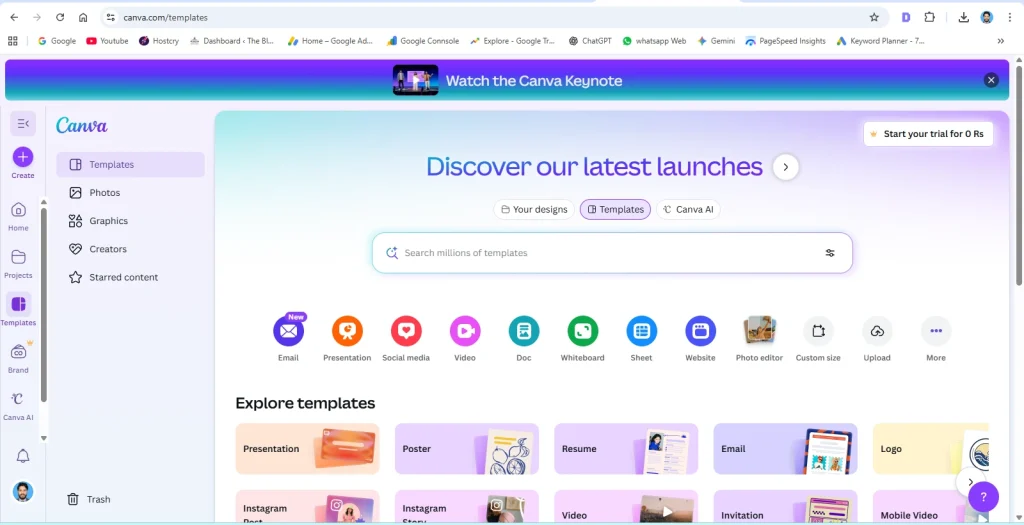
- Canva Website: Design a simple one-page site and publish it to a free Canva domain.
Keep it clean. Your name, your contact info, and your work links are all you need.
Top 4 Platforms for a Freelance Writing Portfolio With No Experience
If you don’t want to build a complex website, use a dedicated platform. These sites are perfect for hosting a freelance writing portfolio with no experience because they are free and easy to set up.”
- Clippings.me: The industry standard. It is free and looks very clean.
- Contently: Great for connecting with high-paying brands later on.
- Muck Rack: Perfect if you want to be a journalist or reporter.
- Journo Portfolio: Offers great customization options for free.
Step 4: Land Your First Paying Client
Finally, once your portfolio has 3-5 samples, it is time to find work.
First, start small. Also, look for “Guest Posting” opportunities. Since many blogs accept articles from guest writers, this is easy to do. You might not get paid, but you get a “byline”…
Cold Pitching: The Shortcut to Getting Paid
Stop applying to job boards with thousands of other writers. Instead, try “Cold Pitching.”
- Find a business or blog you like.
- Locate the editor’s email address on their “Contact” or “About” page.
- Send them a direct email offering a specific article idea.
In fact, this method has less competition because most writers are too scared to do it.
How to Write a Perfect Pitch Email
Your pitch is your sales letter. It needs to be short and exciting.
The structure of a winning email:
- Subject Line: Engaging and clear (e.g., “Article Idea: 5 Ways to Save Money”).
- The Hook: Mention something you liked about their recent content.
- The Idea: Pitch your headline and 3 bullet points about what the article covers.
- The Proof: Link to your new portfolio.
The Checklist: What Makes an Editor Say YES?
Editors are busy. They say YES to pitches that make their life easy.
- Relevance: Does your idea fit their audience perfectly?
- Freshness: Is this a new angle they haven’t covered yet?
- Formatting: Is your email easy to scan?
If you solve a problem for their readers, the editor will likely accept your pitch.
Why Following Up Wins the Job
Editors miss emails. It is not personal.
If you don’t hear back in 3-4 days, send a polite follow-up.
- Script: “Hi [Name], just bumping this to the top of your inbox. Let me know if you are interested in this idea. Thanks!”
Most writers get hired on the follow-up, not the first email. Be persistent.
Mistakes When Building a Freelance Writing Portfolio With No Experience
Learn from the common traps that slow beginners down.
- Waiting for perfection: Your portfolio will never be perfect. Launch it now and fix it later.
- Undercharging: Do not write for pennies. Even beginners deserve fair pay for good work.
- Not signing a contract: Always get the agreement in writing before you start typing.
Conclusion: Start Before You Are Ready
You do not need to wait for a “big break.” You can build a freelance writing portfolio with no experience this weekend.
The “Mock Project Method” works because it proves your skills immediately. Start a mock project today. Pick a niche, do the work, and upload it to a free site. That is how you break the cycle and get your first paying client in 2025.
Frequently Asked Questions (FAQs)
1. Can I use school projects in my portfolio? Yes. If the work is relevant to the job you want, include it. It shows you have training and discipline.
2. How many items should be in a beginner portfolio? Quality is better than quantity. Three excellent “Mock Projects” are better than 10 average ones.
3. Do I need a custom domain name immediately? Not at first. A free link from Canva, Carrd, or Contently is fine when you are starting. You can buy a custom domain later when you earn your first $500.
4. What if I have multiple skills? Create separate sections or even separate pages. Do not mix graphic design samples with writing samples. Keep it organized so the client sees exactly what they are hiring you for.
Locate explicit videos by exploring trusted adult platforms online.
Discover reliable porn hubs for a private experience.
Feel free to visit my website: buy xanax without prescrition